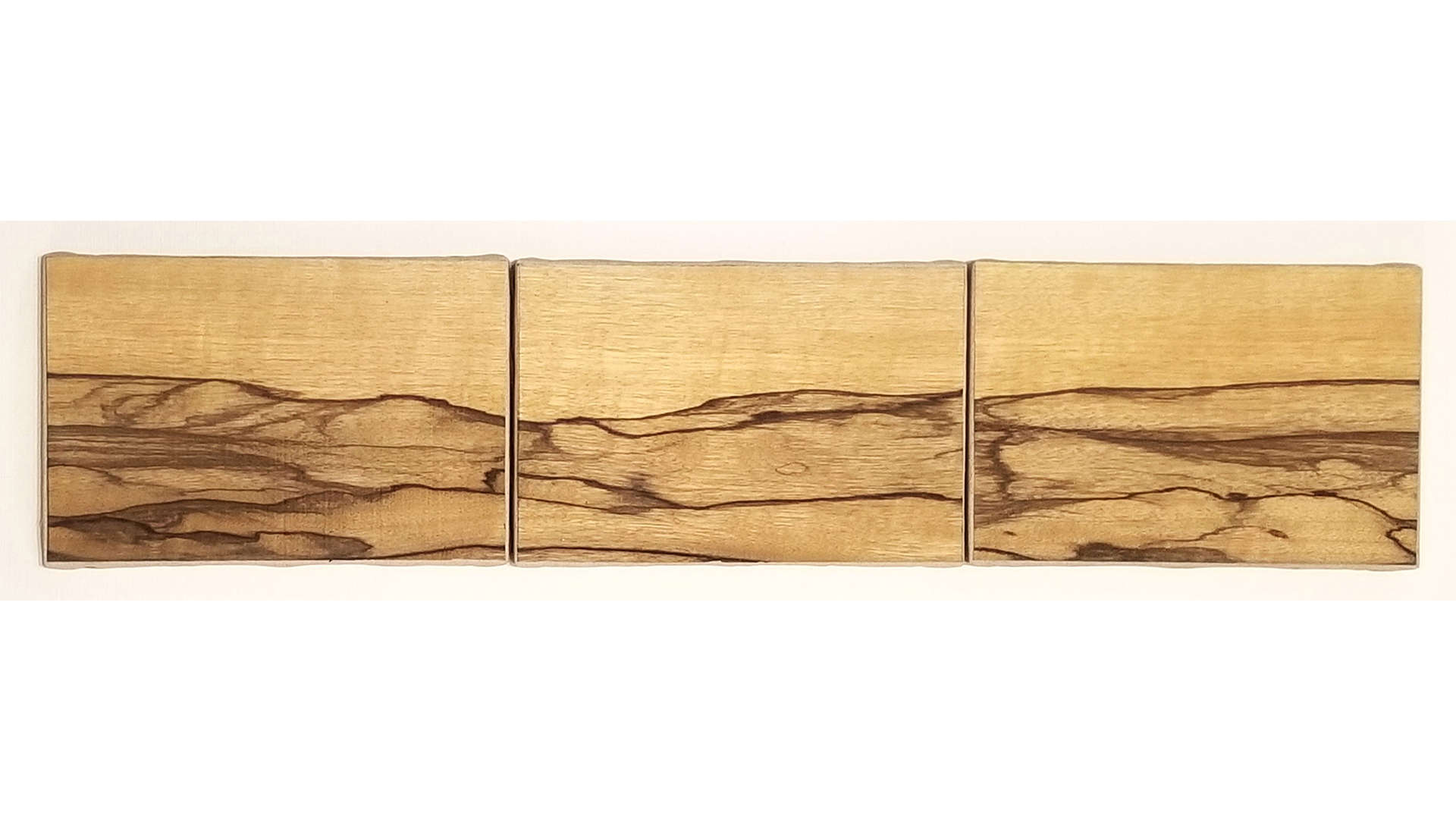
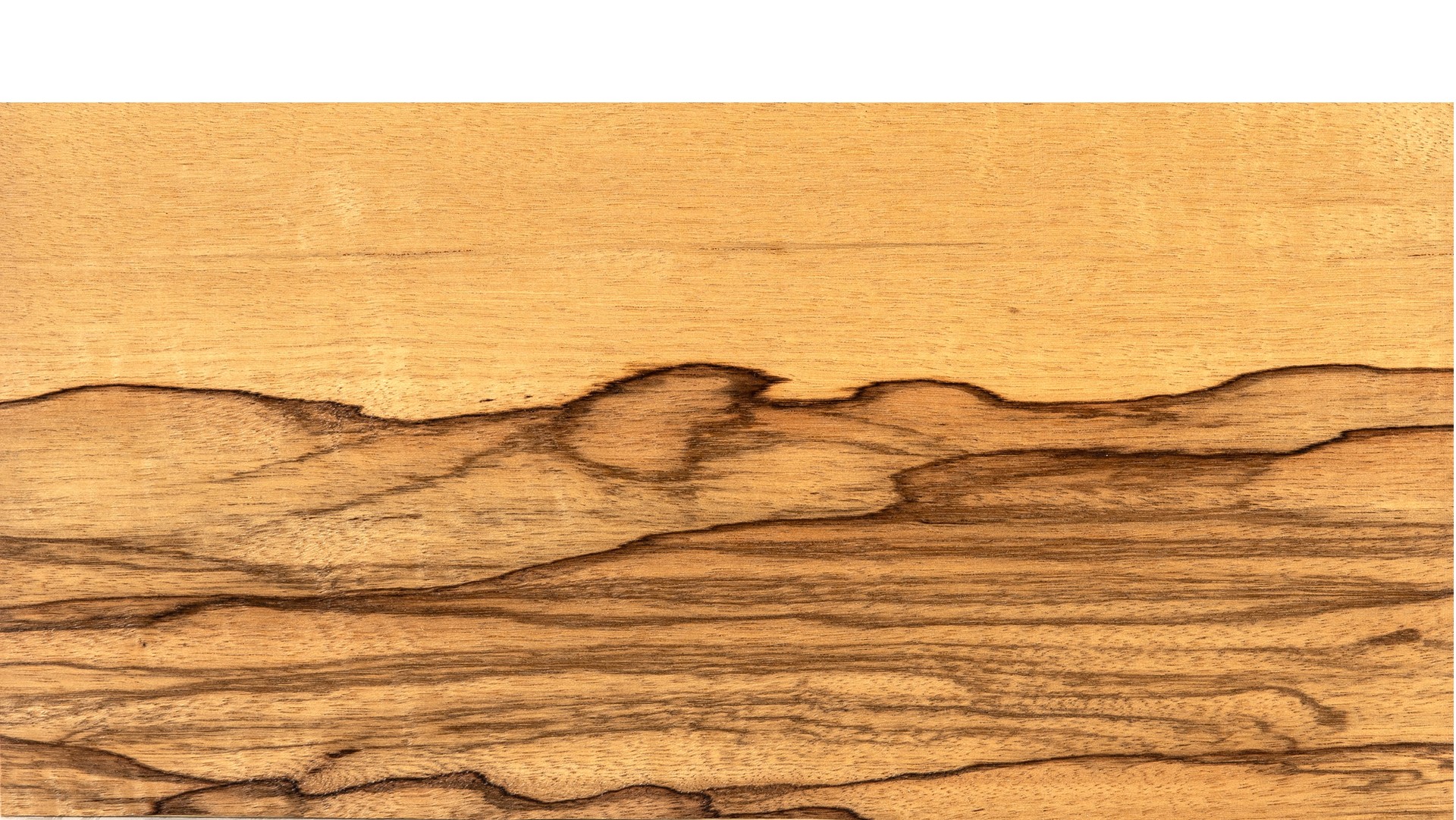
Architecture symbiotique 01
72 x 16 cm
bois et champignons sur toile
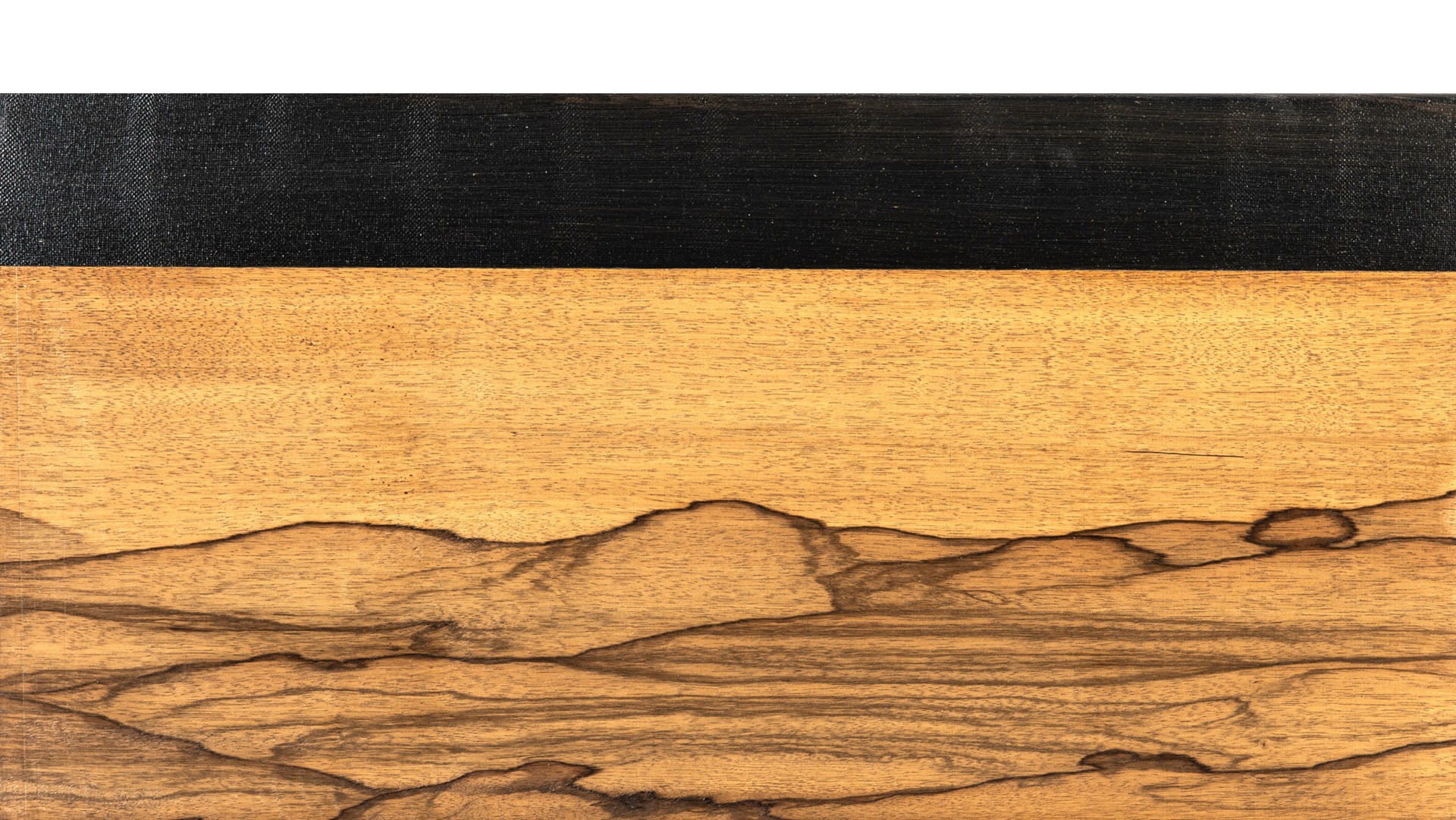
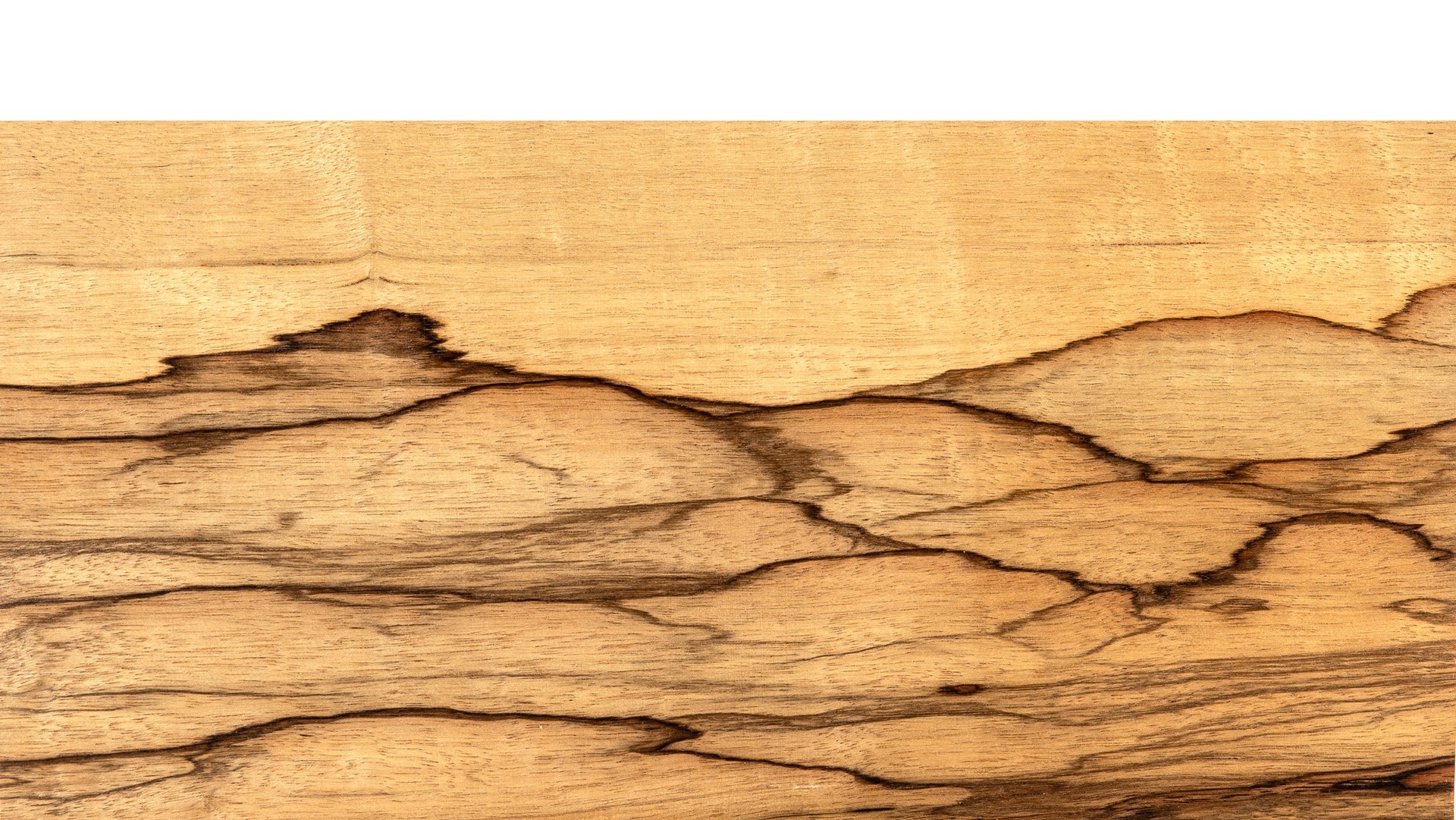
Architecture symbiotique 02
30 x 50 cm
bois et champignons sur toile
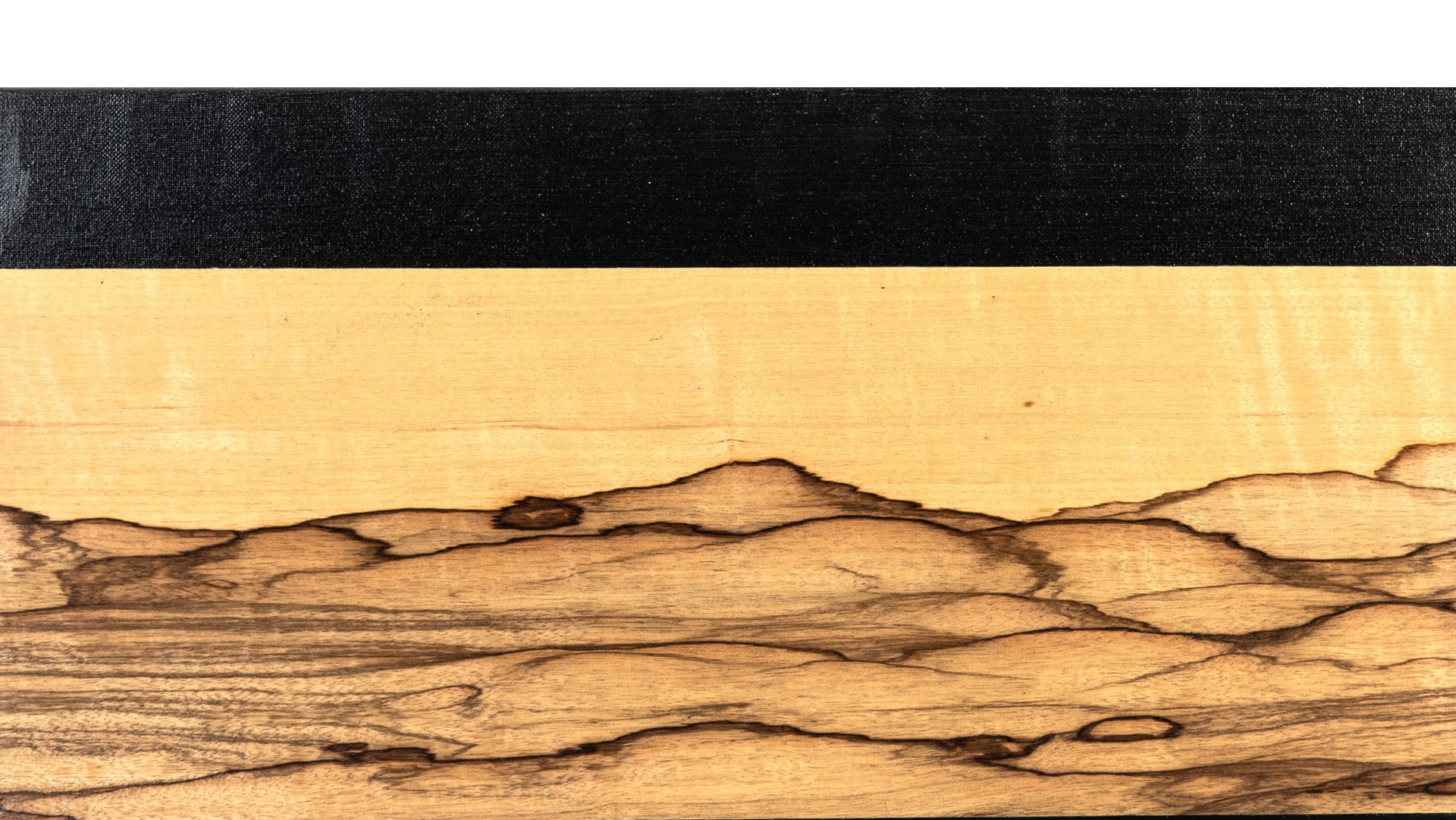
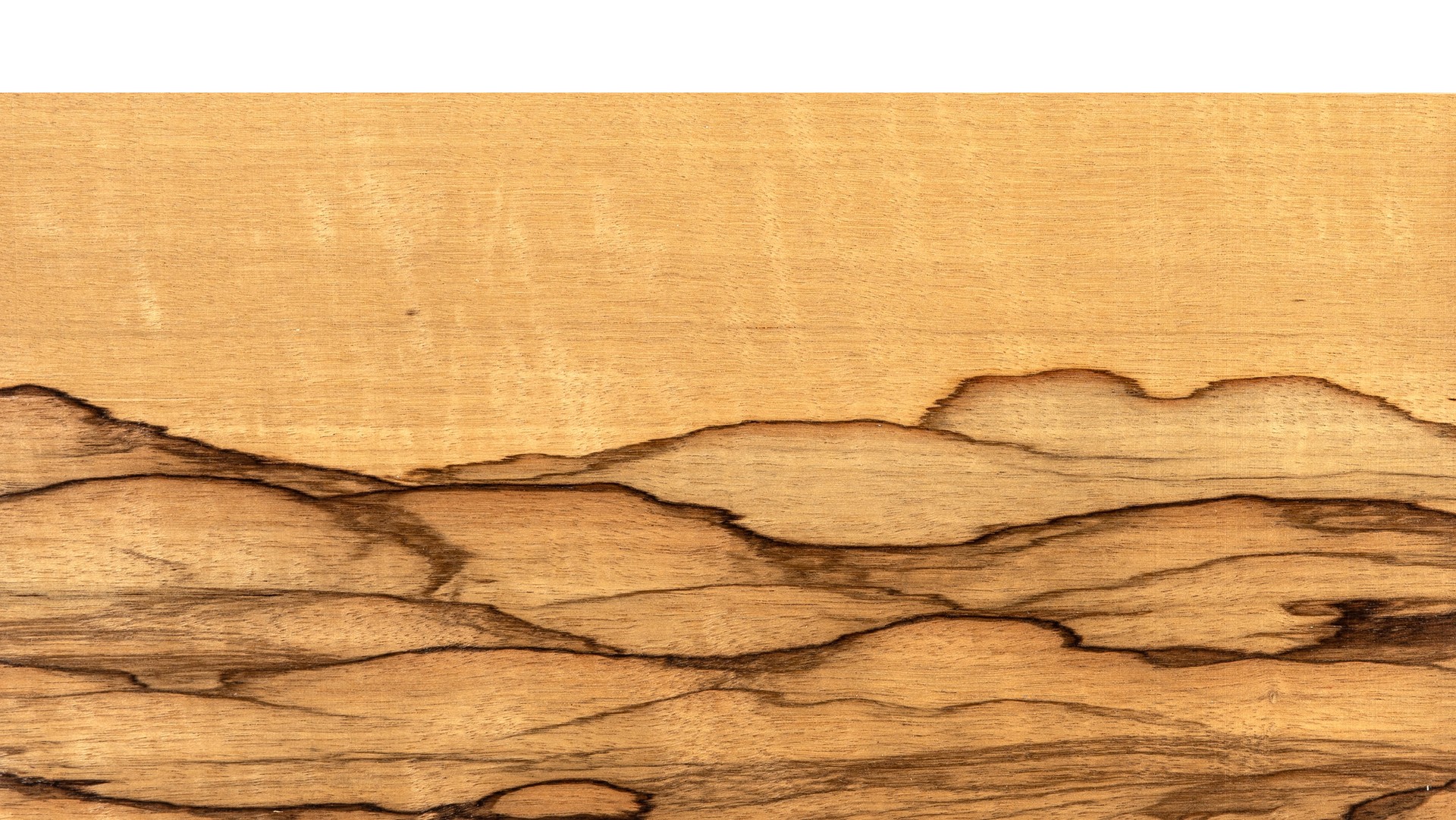
Architecture symbiotique 03
30 x 50 cm
bois et champignons sur toile
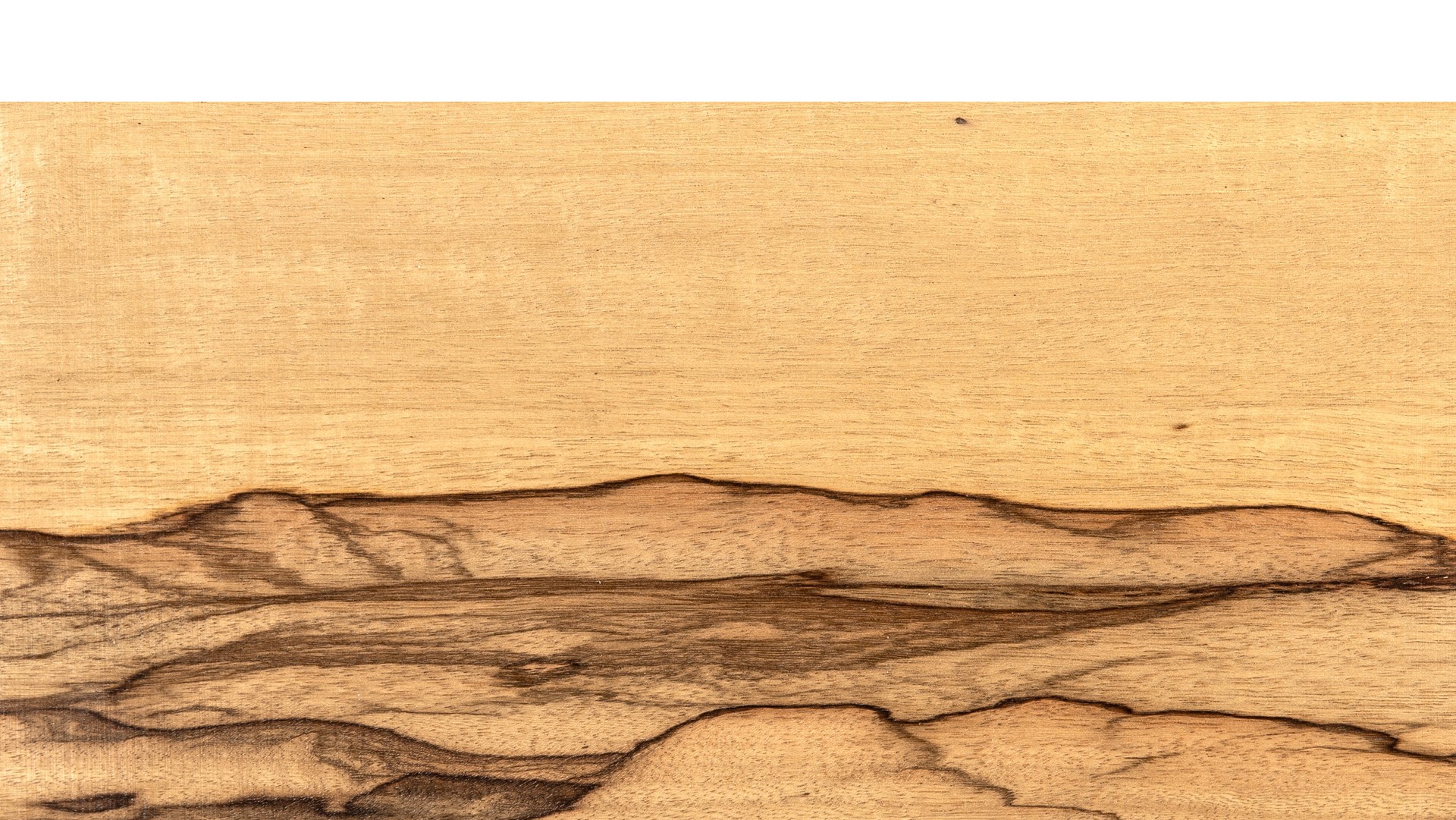
Architecture symbiotique 04
20 x 40 cm
bois et champignons sur tavola
Architecture symbiotique 05
20 x 40 cm
bois et champignons sur tavola
Architecture symbiotique 06
20 x 40 cm
bois et champignons sur tavola
Architecture symbiotique 07
20 x 40 cm
bois et champignons sur tavola

« Architecture symbiotique » est une série d’œuvres réalisées avec des feuilles de bois qui ont été transformés par les champignons lignicoles, taillées puis collées sur papier ou toile sur châssis. Les œuvres représentent des paysages oniriques, que l’artiste associe à des dunes de sables et à leurs mouvements, à la fois harmonieux et imprévisibles.
Maud Louvrier Clerc aime particulièrement les observer en Bretagne dans le Finistère Sud où elles illustrent parfaitement l’ambivalence du rapport entre l'Homme et la Nature. Alors qu’elles sont par essence mobiles, l'homme tente de les fixer craignant leur dérive et les risques associés de submersion marine dans l’arrière-pays. Pourtant, chaque tempête nous le rappelle, avec les dunes, nous cherchons à dompter ce qui ne peut l’être. Au cours de l’année, la dune et la plage, que l’on ne peut dissocier, changent de forme sous l’influence du vent et des vagues. En hiver, la plage maigrit et le pied de dune est taillé en falaise par la mer. Ce phénomène est spectaculaire après les grandes marées. En été, la plage engraisse et la dune se reconstruit. Les préconisations des spécialistes sont cependant claires : dans la mesure du possible, la gestion d’une dune doit se basée sur la non- intervention.
L’impermanence de la nature est un des principes clés du wabi-sabi qui est un concept esthétique et spirituel japonais née au 14ème siècle dans le cadre de la cérémonie du thé réinventé par Murata Shuko. Le Wabi exprime la plénitude et l’humilité que l’on peut éprouver face à la beauté de la nature et Sabi qui exprime le respect devant des choses abimées par le temps ou le travail. Les deux termes réunis, signifie vouloir accepter et apprécier l'impermanence et l'imperfection des choses de la vie.
Dans cette série, l’artiste entreprend de révéler la beauté du travail des champignons lignicoles, qu’elles considèrent comme de véritables architectes d’intérieur. Contrairement aux champignons lignivores qui peuvent se nourrir une charpente et sont la hantise des architectes, ces champignons lignicoles, dits de discoloration, ne dégradent pas la membrane des cellules du bois. Ils en provoquent juste l’échauffement, qui se traduit par des dommages esthétiques. Le bois peut devenir veiné, flammé, moiré, bariolé. Loin de considérer ces échauffures comme laides, la plasticienne en admire la beauté. Elle y voit l’illustration d’un processus naturel, à la fois modeste, imparfait et beau. Les feuilles de bois utilisées, dans la production de l’œuvre, ont un grain grossier où l’on pourra aussi voir les marques du temps, dû à des stockages hasardeux ou des procédés de scieries rudimentaires, qui y auront laissé des marques indélébiles.
Maud Louvrier Clerc entend évoquer avec cette série « Architecture symbiotique » le travail réalisé par les millions de microorganismes qui modifient, de manière souvent invisible, notre environnement. Son utopie personnelle serait d’ailleurs de réaliser avec ces champignons lignicoles des décors monumentaux intégrés à des façades ou murs de maisons ou d’immeubles en bois. Au-delà, la série ouvre une réflexion sur un changement d’attitude face à la puissance des processus naturels. Au lieu de lutter contre ou de tenter de les reproduire, elle nous invite à imaginer les incroyables potentialités que nous offrirai une collaboration avec eux et les efficiences énergétiques associées.
Expositions personnelles - Submersions et déplacements - Paris
Expositions personnelles - Les Architectes - White Room Gallery, Paris.